Lone Star Tick
Amblyomma americanum
High Risk Risk
Known to transmit: Ehrlichiosis, Heartland virus, Bourbon virus, Alpha-gal syndrome (red meat allergy), STARI
0
Total reports
0
Reports this week
About
An aggressive biter that actively pursues hosts. Named for the white dot on the adult female's back. Increasingly found in the Northeast due to warming temperatures. Bites can cause Alpha-gal syndrome (red meat allergy).
Appearance
Reddish-brown. Females have a single white spot on the back.
Size
Adult female: 4mm unfed, up to 16mm engorged
Habitat & Range
Habitat
Wooded areas with dense undergrowth, forest edges, meadows
Region
Southeastern and eastern US, expanding northward
Peak Season
Adults: April–August. Nymphs: May–August. Larvae: July–September.
Life Stages
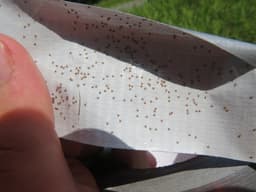
Larva (< 1mm)
Six legs. Often found in large clusters ('seed ticks').
Nymph (1–2mm)
Eight legs. Very aggressive biters.
Adult Female (4–6mm)
Distinctive white dot on dark brown body.
Adult Male (3–4mm)
Mottled brown and white streaks on edges.
Safety Tips
- 1.Very fast-moving — can cross your body in minutes
- 2.Often found in large numbers (especially larvae)
- 3.If you develop a red meat allergy after a bite, see a doctor about Alpha-gal syndrome
- 4.Treat clothing with permethrin before entering known areas