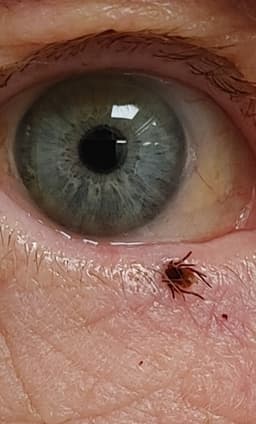
Deer Tick
Ixodes scapularis
High RiskAdult female: 3mm unfed
Lyme disease, Anaplasmosis, Babesiosis
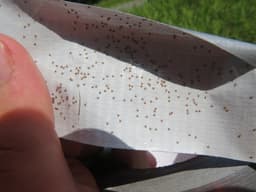
Lone Star Tick
Amblyomma americanum
High RiskAdult female: 4mm unfed
Ehrlichiosis, Heartland virus, Bourbon virus
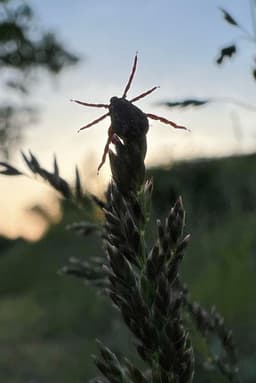
American Dog Tick
Dermacentor variabilis
Moderate RiskAdult female: 5mm unfed
Rocky Mountain spotted fever, Tularemia
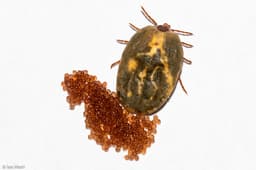
Brown Dog Tick
Rhipicephalus sanguineus
Lower RiskAdult: 3mm unfed
Rocky Mountain spotted fever (in Southwest), Canine ehrlichiosis, Canine babesiosis
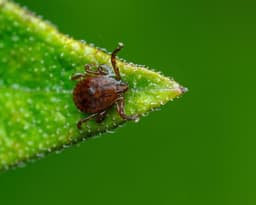
Asian Longhorned Tick
Haemaphysalis longicornis
Moderate RiskAdult: 2–3mm unfed
Under investigation — transmits SFTS virus in Asia, Theileriosis (in cattle)
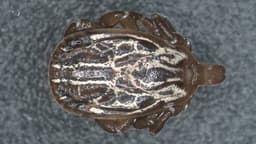
Gulf Coast Tick
Amblyomma maculatum
Moderate RiskAdult female: 4mm unfed
Rickettsia parkeri (a milder spotted fever), Heartwater (in animals)
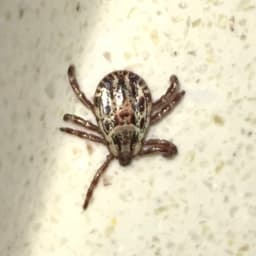
Rocky Mountain Wood Tick
Dermacentor andersoni
Moderate RiskAdult female: 4–5mm unfed
Rocky Mountain spotted fever, Colorado tick fever, Tularemia
Tick Identification Chart
| Species | Color | Size | Risk | Key Diseases |
|---|---|---|---|---|
| Deer Tick | Dark brown to black body with reddish-brown legs | Adult female: 3mm unfed | High Risk | Lyme disease, Anaplasmosis |
| Lone Star Tick | Reddish-brown | Adult female: 4mm unfed | High Risk | Ehrlichiosis, Heartland virus |
| American Dog Tick | Brown with white/silver mottled markings on the back | Adult female: 5mm unfed | Moderate Risk | Rocky Mountain spotted fever, Tularemia |
| Brown Dog Tick | Uniformly reddish-brown with no markings | Adult: 3mm unfed | Lower Risk | Rocky Mountain spotted fever (in Southwest), Canine ehrlichiosis |
| Asian Longhorned Tick | Light to medium brown, no distinctive markings | Adult: 2–3mm unfed | Moderate Risk | Under investigation — transmits SFTS virus in Asia, Theileriosis (in cattle) |
| Gulf Coast Tick | Brown with silver-white ornate markings (adults) | Adult female: 4mm unfed | Moderate Risk | Rickettsia parkeri (a milder spotted fever), Heartwater (in animals) |
| Rocky Mountain Wood Tick | Brown with gray/silver ornate markings | Adult female: 4–5mm unfed | Moderate Risk | Rocky Mountain spotted fever, Colorado tick fever |
Quick Tick Identification Tips
- 1.Tiny, dark, poppy-seed sized? Likely a Deer Tick nymph — check for Lyme disease risk
- 2.White dot on the back? That's a Lone Star Tick — can cause red meat allergy
- 3.Large with silver markings? Probably an American Dog Tick or Rocky Mountain Wood Tick
- 4.Plain reddish-brown, found indoors near your dog? Brown Dog Tick — the only tick that infests homes
- 5.Hundreds of tiny ticks on one animal? Could be Asian Longhorned Ticks — report to your state
- 6.Not sure? Take a photo and use Tick Map's AI identification tool