Tick SightingCommunity Report
Lone Star Tick Sighting Near Unknown Location
Date
Wednesday, June 10, 2026
Location
Reported Location
Species
Lone Star tick
Found On
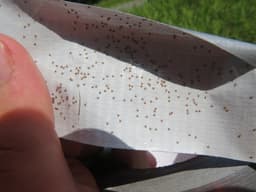
Adult · 50 ticks
Notes
After hiking at Hartig wildlife Park, my dog, and I both were covered in ticks. Somewhere attached somewhere running around on clothing. There were well over 50 on each of us. Not all of them are in the picture.
Report Location
View on full mapAbout Lone Star Tick
Lone Star Tick
Amblyomma americanum
High RiskAn aggressive biter that actively pursues hosts. Named for the white dot on the adult female's back. Increasingly found in the Northeast due to warming temperatures. Bites can cause Alpha-gal syndrome (red meat allergy).
Known Diseases
EhrlichiosisHeartland virusBourbon virusAlpha-gal syndrome (red meat allergy)STARI
Habitat
Wooded areas with dense undergrowth, forest edges, meadows
Region
Southeastern and eastern US, expanding northward
Peak Season
Adults: April–August. Nymphs: May–August. Larvae: July–September.
Safety Tips
- •Very fast-moving — can cross your body in minutes
- •Often found in large numbers (especially larvae)
- •If you develop a red meat allergy after a bite, see a doctor about Alpha-gal syndrome
- •Treat clothing with permethrin before entering known areas
Tick Safety Tips
- ✓Always do a full-body tick check after spending time outdoors
- ✓Shower within 2 hours of coming inside to wash off unattached ticks
- ✓Put clothes in the dryer on high heat for 10 minutes to kill ticks
- ✓Use EPA-registered repellents containing DEET, picaridin, or IR3535
- ✓If a tick is attached, remove it with fine-tipped tweezers — pull straight up with steady pressure
- ✓Monitor for symptoms (rash, fever, joint pain) for 30 days after a bite