Tick SightingCDC Surveillance Data
Deer Tick Sighting Near Lehigh County, PA
Date
Thursday, March 26, 2026
Location
Lehigh County
Species
Deer tick
Found On
Just spotted · 1 tick
Notes
CDC ArboNET: Established tick population (I. scapularis)
Report Location
View on full mapAbout Deer Tick (Black-legged Tick)
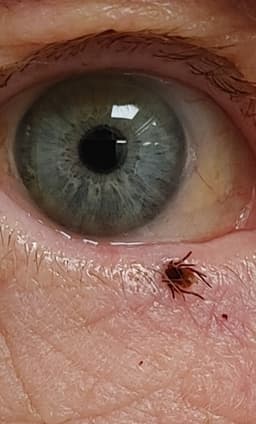
Deer Tick (Black-legged Tick)
Ixodes scapularis
High RiskThe most medically significant tick in the eastern United States. Responsible for transmitting Lyme disease, the most common vector-borne illness in the country. Very small — nymphs are the size of a poppy seed.
Known Diseases
Lyme diseaseAnaplasmosisBabesiosisPowassan virus
Habitat
Wooded areas, leaf litter, tall grass, garden edges, stone walls
Region
Eastern and upper Midwestern US
Peak Season
Nymphs: May–July. Adults: October–May (active above 40°F)
Safety Tips
- •Check skin thoroughly after being outdoors — nymphs are tiny and easy to miss
- •Removing within 24-36 hours greatly reduces Lyme transmission risk
- •Use fine-tipped tweezers and pull straight out with steady pressure
- •Save the tick in a sealed bag with date for potential testing
Tick Safety Tips
- ✓Always do a full-body tick check after spending time outdoors
- ✓Shower within 2 hours of coming inside to wash off unattached ticks
- ✓Put clothes in the dryer on high heat for 10 minutes to kill ticks
- ✓Use EPA-registered repellents containing DEET, picaridin, or IR3535
- ✓If a tick is attached, remove it with fine-tipped tweezers — pull straight up with steady pressure
- ✓Monitor for symptoms (rash, fever, joint pain) for 30 days after a bite